
Planning a DIY French drain often starts with one big assumption: “It’s just a trench with pipe and rock.” In reality, trenching is where most French drain failures begin—especially in Northeast Florida, where sandy soils, clay pockets, and heavy rain can expose weak planning fast. If you’re thinking about digging your own French drain trench in Jacksonville, FL or nearby, here are the most common trenching mistakes to avoid (and what to do instead).
1) Getting the Slope Wrong (or Guessing It)
A French drain needs consistent fall so water actually moves toward the discharge point. A trench that’s flat, back-pitched, or wavy can trap water and turn your drain into a soggy gravel bathtub.
Better approach: Establish your start and end points first, then check grade as you dig using a string line, laser level, or line level. Plan the outlet before you ever pick up a shovel.
2) Digging a Trench That’s Too Narrow or Too Shallow
If the trench is cramped, you’ll struggle to place fabric, gravel, and pipe correctly. If it’s too shallow, the system may not intercept the water you’re trying to manage—and the pipe can be damaged over time.
Better approach: Size the trench for the components you’re using, including gravel around the pipe. Think “room to build,” not “barely fits.”
3) Leaving Trench Walls Loose, Slumped, or Over-Excavated
DIY trenches often look fine for the first hour—then the walls cave in, the bottom shifts, and your carefully planned slope disappears. Loose walls also dump soil into your gravel, which can clog the system.
Better approach: Dig in manageable sections, keep the trench clean, and avoid “widening as you go” unless you’re correcting a problem. If the walls won’t hold, the trench may need to be rethought for safety and stability.
4) Hitting Underground Utilities (or Assuming You Won’t)
This is the mistake that can turn a weekend project into a very expensive emergency. Irrigation lines, cable, gas, electric, and internet can all run through areas you don’t expect—especially in established Jacksonville neighborhoods.
Better approach: Always call 811 before digging. Then still dig carefully, because private lines (like irrigation) may not be marked.
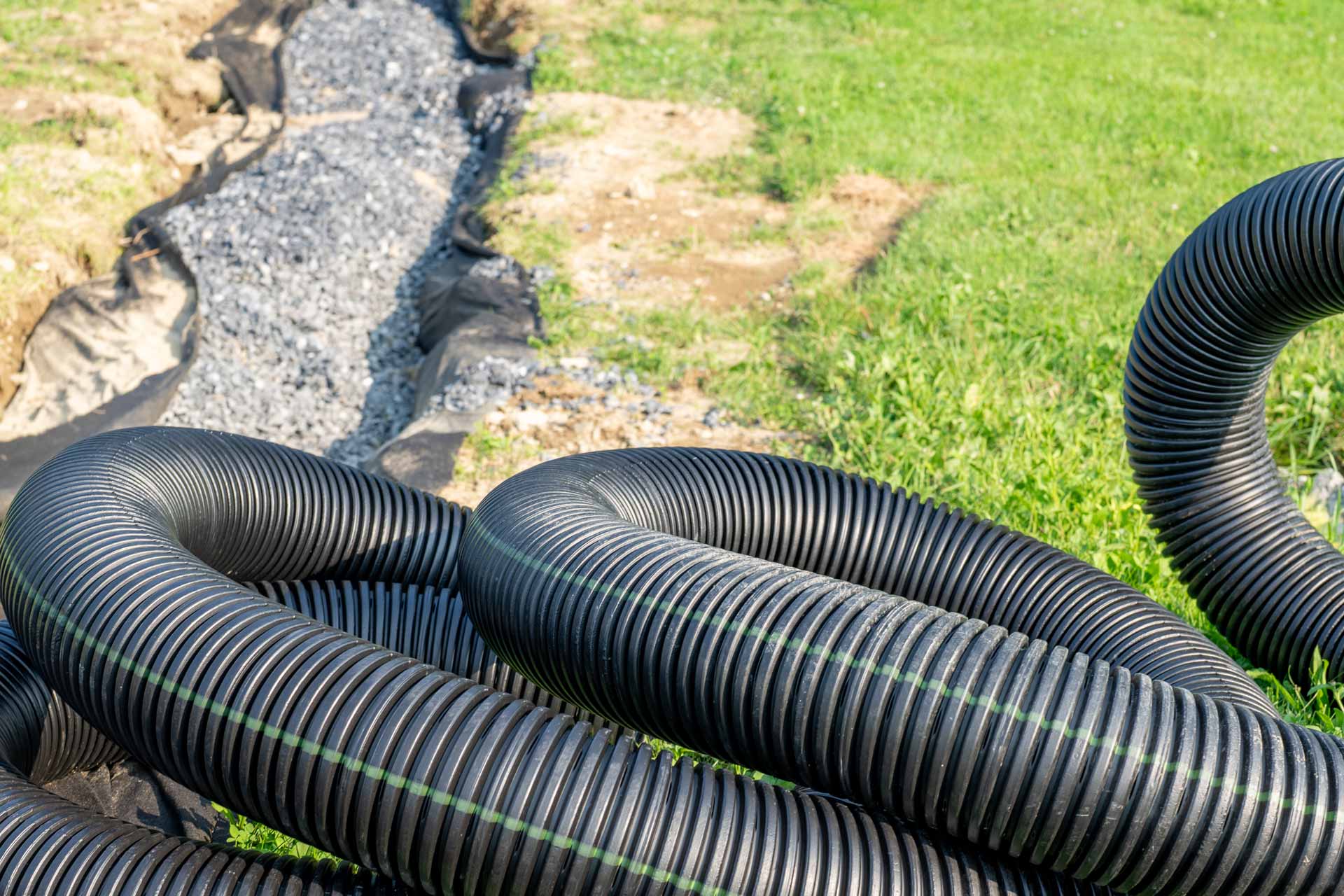
5) Skipping the “Build Layer” (Fabric + Correct Gravel)
Even with perfect slope, the wrong materials can shorten the life of your drain. No fabric (or poorly placed fabric) lets soil migrate into the stone bed. Using the wrong gravel—or mixing soil into it—reduces flow.
Better approach: Use filter fabric correctly to separate soil from stone, keep the gravel clean, and avoid shortcuts that invite sediment into the trench.
6) Forgetting the Discharge Plan
A French drain must send water somewhere. If the outlet is too low, blocked, or dumping where it shouldn’t, you can create a new problem while trying to fix the old one.
Better approach: Confirm the discharge location and path first. Make sure the outlet stays clear and won’t cause erosion or water issues for you (or your neighbors).
Need help planning (or installing) a French drain the right way? Daniels Landscape & Irrigation LLC has been serving Jacksonville, FL and surrounding areas since 1992. If you want a French drain installed with proper grading, safe trenching, and a long-term drainage plan, reach out for a professional assessment and installation.